Pakistan Budget 2026 Highlights Amazing

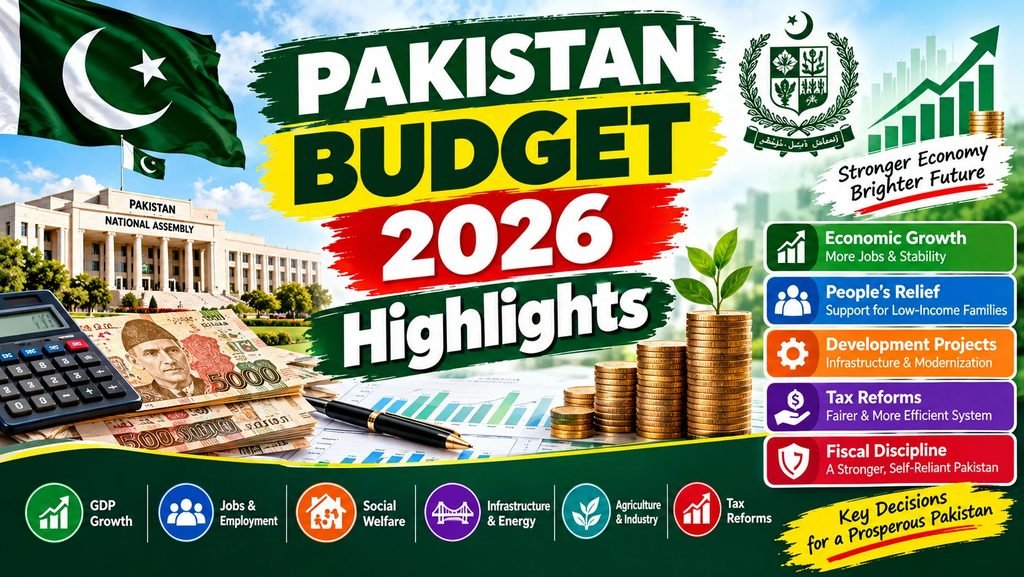
Pakistan Budget On June 12, 2026 the federal government of Pakistan tabled its Rs18.771trn budget for FY26 to 27 with Finance Minister Muhammad Aurangzeb tabling the relief-oriented budget for the National Assembly. Pakistan Budget The third budget of Pakistan’s ruling coalition government in 27 months represented a break from two years of fiscal consolidation towards a period of ‘investment driven growth according to the finance minister. The federal budget was made effective starting Pakistan Budget July 1, 2026 and received assent from President Asif Ali Zargari in the name of the national finance commission by June 26 2026.
It’s for normal Pakistanis a budget that includes several measures a 7% increase in government employees’ salary tax relief for people with salaried incomes Pakistan Budget and the expansion of Benazir Income Support Programmed (BISP) but also the maintenance of the fiscal rigor ordered by the International Monetary Fund Pakistan Budget including some key incentives for the export sector the IT industry and real estate. We explain the key numbers, who gains and what is next.
Background From Stabilization to Growth Pakistan Budget
The FY2026 to 27 budget comes after two years of deep economic correction. Pakistan avoided default, successfully concluded a $7 billion Extended Fund Facility with the IMF, and managed to bring macroeconomic stability. Pakistan Budget Pakistan Budget According to Finance Minister Aurangzeb, the outgoing fiscal year saw 3.7% GDP growth, 6.1% expansion in large scale manufacturing (the fastest in four years), and average inflation of 4.5% (against 23.4% last year).
The rate was reduced from 22% to 11.5%, foreign exchange reserves increased to $17 billion, and the tax-to-GDP ratio improved Pakistan Budget from 8.5% to 10.3%. As these indicators have strengthened, the government has presented the budget as a Pakistan Budget move toward growth – although much of the strategy remains driven by the constraints of the IMF.
Key Figures at a Glance
Salary and Pension Increases
State workers will get a 7% hike in salaries, with pensioners set to enjoy a 7% increase in their retirement benefits. Pakistan Budget The minimum wage has been increased by 10%, from Rs37,000 to Rs40,000. Although the latter is below the rate of inflation, the figures are tangible for most families who have faced years Pakistan Budget of stagnant wages. State workers and pensioners in Khyber Pakhtunkhwa said this was “timely relief in the face of rising living costs”.
Tax Relief for Salaried Class and Businesses
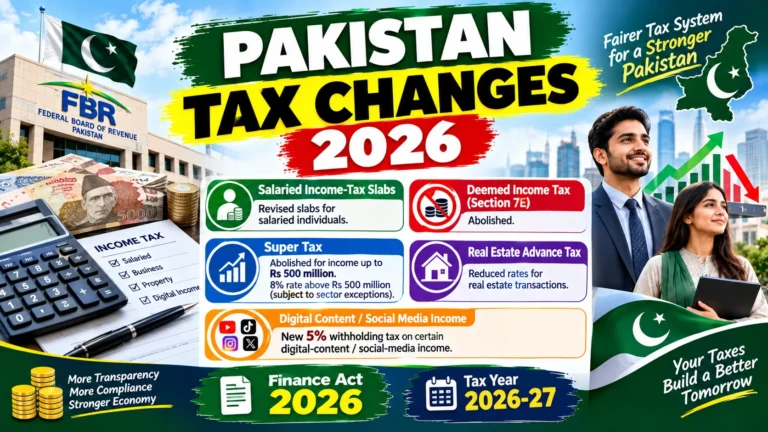
Documented Taxpayers have secured major benefits from the Finance Bill. The hated 10% surcharge on salaried persons has been withdrawn Pakistan Budget and throughout the four slabs of Income Slabs:
- Rs2.2 million to Rs3.2 million: 23% 20%
- Rs3.2 million to Rs4.1 million: 30% 25%
- Rs4.1 million to Rs5.6 million: 35% 29%
- Rs5.6 million to Rs7 million: 35% 32%
- Above Rs7 million: unchanged at 35%
In a bid to reduce the tax cost to businesses, super tax relief or exemptions have been announced in a number of slabs with complete exemption for exporters. The IT export industry, which enjoys 0.25 per cent final tax exemption, Pakistan Budget will also have the benefit till June 2029 to increase exports of tech and generate jobs for the youth. In property transactions: The withholding tax for filers is reduced from 7.5 per cent to 2.75 per cent on sale and 1.25 per cent on purchase .
Who Is Affected and How
Tax on corporate professionals between Rs2.2 million and Rs7 million a year will be reduced on monthly basis from July 2026. Economic expert Shahidi Anwar says “finally the budget sends a small but positive message to the Pakistan Budget documented salaried class after so many years”.
Exporters and industrialists also will enjoy the lower minimum tax (down to 1.25% from 2% currently the combined rate, since the minimum tax rate is applied to the total income tax paid by the employer and employee) and Pakistan Budget Super Tax relief and the extended Energy allowance.
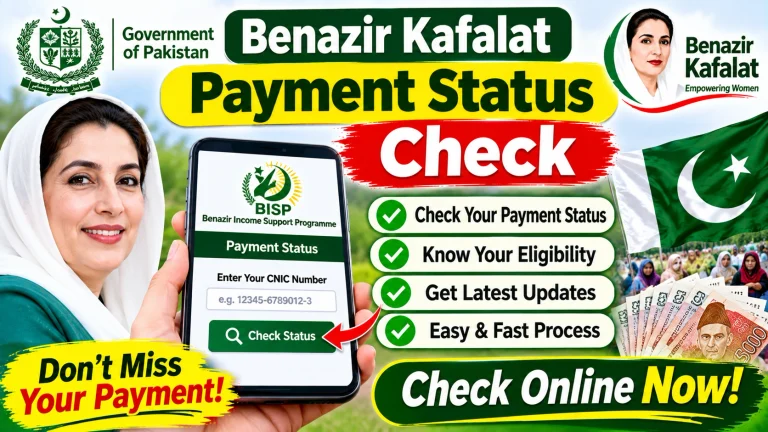
The BISP expansion benefits the poor BISP payout will be expanded to include 12 million families through the Kafaalat programme. And 9.2 million children will receive the Taleemi Wazaif education stipend, financed by Rs838 billion. (For a look at how BISP payments are made, go to our follow-up guide: Internal link: Check Benazir Kafalat Payment Status 2026).
Higher cost for luxury: electric vehicles over Rs20 million (imported) will face the 30-40% FED and non-electric vehicles over 3,000cc will face 81% duty.
Official Statements and Expert Reaction
Budget a turning point Aurangzeb declared. “We have set out on this journey with a fragile economy in the first year of our government’s tenure, and we have resiliently steered the ship of the economy to a safe place and Pakistan Budget accomplished various milestone through conservative policies and strenuous endeavors,” he said. “The economy has been elevated to $452 billion and per-capita income to $1,901,” he added.
The business community expressed qualified endorsement. FPCCI President Atif Ikram Sheikh appreciated the concessions but warned that the investment/GDP ratio is still 14.38 percent while the urban poverty in Pakistan has increased from 11 percent to 17 percent. Former FPCCI senior vice president Khalid Tawab stated that the budget “encapsulates IMF mandated fiscal responsibility” but argued that “stabilization should not be an end in itself”. Former CEO Pakistan Business Council Ehsan Malik said it is “arguably the most growth-oriented budget in the three budgets presented by the present government so far, though it does not address structural issues”
What Happens Next
The budget is now a law that began on July 1, 2026. Price and pension increases are being implemented in July. The FBR implementation plan is set out in the budget will come over the course of the fiscal year, with measures that will generate an additional Rs650 billion in revenue being implemented in FY27, according to the budget document. The government promised to privatise state companies such as GENCOs, DISCOs, banks, and airports, with letters of intent to buy three DISCOs already announced.
Major risks persist Rs15.264 trillion target set by the FBR is tight and analysts say that if revenue targets are missed then mid year “mini budgets” with regressive indirect taxes will ensue. Inflation at 8.2pc could spike if Middle East conflict leads to spike in energy prices.
For More : Sui Gas Duplicate Bill Download PDF 2026 Ultimate Amazing
Frequently Asked Questions FAQs
What is the total size of Pakistan’s budget 2026-27?
The total outlay is Rs18.771 trillion, presented on June 12, 2026, and effective from July 1, 2026 .
How much has the salary of government employees increased?
Government employees received a 7% salary increase, and pensioners received a 7% pension raise. The minimum wage rose 10% to Rs40,000 .
Who benefits from the tax relief in Budget 2026?
Salaried individuals earning between Rs2.2 million and Rs7 million annually, exporters, IT companies, and property buyers/sellers benefit from reduced rates and abolished surcharges .
Has the Benazir Income Support Programme budget increased?
Yes. BISP has been allocated Rs838 billion, with Kafaalat expanded to 12 million families and Taleemi Wazaif to 9.2 million children .
What is the GDP growth target for 2026-27?
The government has set a GDP growth target of 4.0%, up from 3.7% in the outgoing fiscal year .
Are there new taxes on luxury items?
Yes. Higher FED applies to imported luxury electric vehicles (30–40%) and large-engine vehicles above 3,000cc (81%). FED on international business-class travel was reduced or eliminated .
When does the budget take effect?
The Finance Bill was signed on June 26, 2026, and the budget became operational on July 1, 2026
Conclusion
Pakistan’s Budget 2026-27 is a combination of IMF dictated austerity and some targeted relief for salaried workers, exporters and lower-income families. The 7 per cent salary hike and reduction in taxes provide little relief to salaried workers; BISP coverage increase to 38 million ensures one of the largest social safety nets to the poor; but will the government be able to mobilize Rs15.264 trillion in tax revenue without dipping into indirect taxes mid-year?
Details of the Budget’s implementation, FATF related enforcement actions by the FBR and other supplementary Finance Bills will be released in the next months. Follow the following official accounts for updates: Finance Division & FBR.
Disclaimer: This article documents as of June 2026 (the date of approval of the budget). The numbers, dates, and procedures may be subject to change based on government notifications and FBR directives. Please see official government sources for the latest.




One Comment